

E-bike safety: protecting our youth
With the rise of electric bicycle usage in Boulder County, local trauma centers have observed an increase in injuries linked to this popular and eco-friendly mode of transport. While e-bike popularity continues to soar, so do the risks, particularly for our youth. The primary danger associated with e-bikes is speed; faster riding leads to greater impact in the event of a crash.
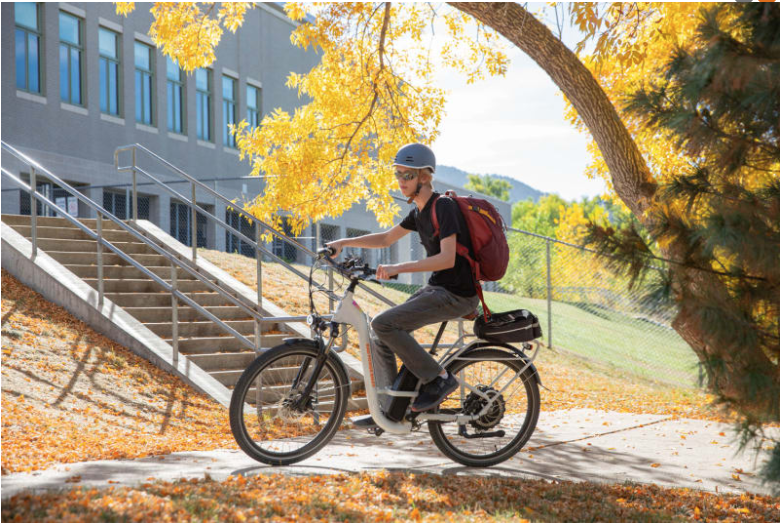
Understanding E-bike Classifications and Regulations
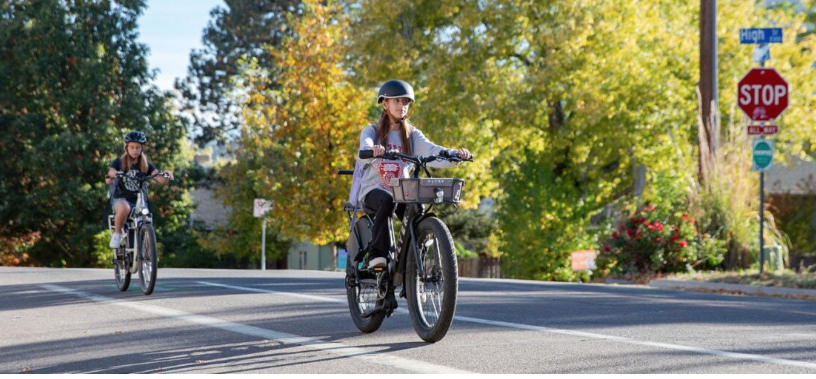
E-bikes are becoming increasingly popular among BVSD middle and high school students. While they offer a fun, efficient, and eco-friendly way to get to school, they also come with serious responsibilities. Parents play a critical role in ensuring these bikes remain safe, legal, and reliable.
To help ensure safety, understanding e-bike classifications is crucial:
- Class 1: Pedal-assist only, motor cuts off at 20 mph.
- Class 2: Throttle-assisted, motor cuts off at 20 mph.
- Class 3: Pedal-assist only, motor cuts off at 28 mph (for riders 16+ only).
Please note that to be classified as an e-bike, the bicycle must adhere to the above speed limitations, have working pedals, and less than 750 watts of power. Anything with more power is considered an e-moto, which requires a license with a valid motorcycle endorsement, registration, license plates, and insurance, and is not allowed in bike lanes or on multi-use paths.
Why e-bike Safety Matters to Coalition4cyclists
At Coalition4cyclists, we are committed to transforming transportation through leading infrastructure design standards and addressing locations with the worst safety outcomes. Our work extends to long-term policy initiatives that support safer streets for all. E-bike safety for our youth aligns directly with our mission to prevent injuries and promote responsible cycling habits.
By ensuring your child is ready to handle the responsibility of an e-bike, choosing the right model, and staying informed about local regulations—which vary by city—you can help them enjoy the benefits of electric-assist mobility safely.
Developing Essential E-bike Riding Skills
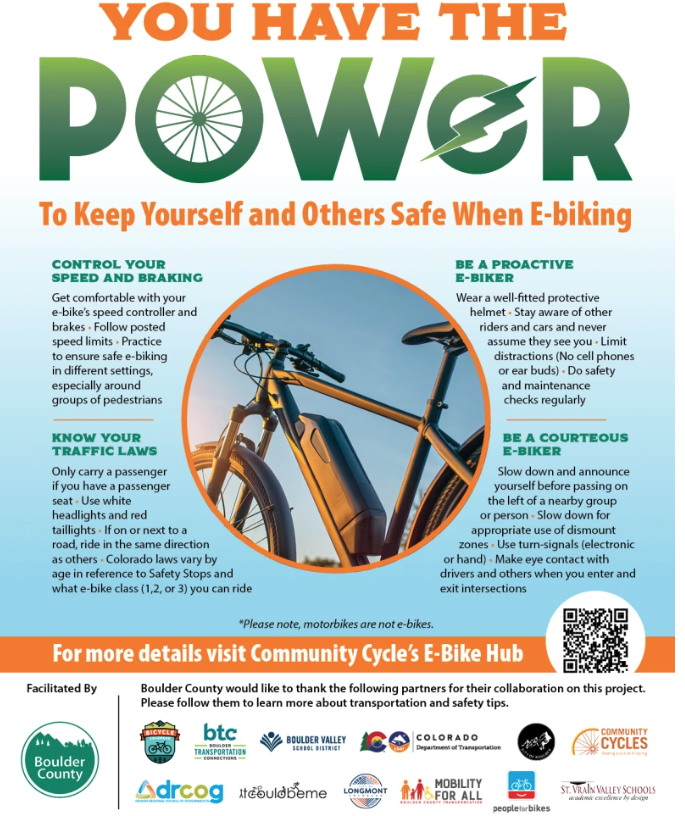
E-bikes demand strong riding skills, keen situational awareness, and good judgment. All of these skills can be developed through consistent practice with an adult. Make sure your child masters the following skills to ride competently in traffic, not just on paths:
- Stays alert and scans traffic, thinking ahead.
- Understands the flow of traffic and avoids weaving, riding predictably.
- Knows how to stop quickly and safely.
- Uses hand signals for turns and stops.
- Knows which lane to use and how to change lanes safely.
- Keeps at least 3 feet from parked cars, riding out of the door zone.
- Makes full stops and yields appropriately at intersections.
- Maintains safe speeds. For example, multi-use paths are limited to 15 mph.
- Can avoid obstacles without swerving into traffic.
- Always wears a buckled helmet.
- Uses front and rear lights in low-light conditions.
For more information on advocating for safer streets or to learn about our policy work, please visit our Our Work page or consider supporting our initiatives through Crank it Forward.